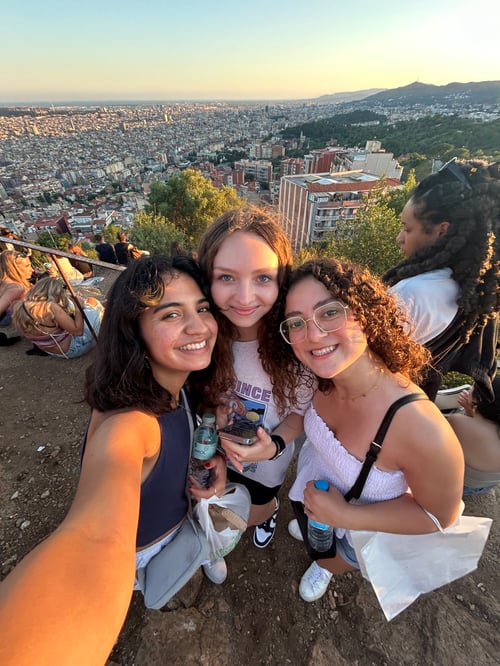
Words and images by Elissa Merhi, who studied abroad with ASA in Barcelona, Spain, during Maymester of 2024.
Preparing to study abroad can feel overwhelming. Between packing, planning, and trying not to forget anything important, it’s easy to overcomplicate the process. Before I left, I spent so much time worrying about packing my entire life into two suitcases, only to realize later that the most helpful preparation came down to a few simple habits.
Currently, I’m getting ready for my second study abroad in May, and I’ve learned by now to prepare early so I can focus on exploring, meeting people, and enjoying the experience as soon as I arrive. If you’re getting ready to study abroad, here are five things I learned that made a huge difference.
1. PACK LIGHTLY (You’ll Return with Double Your Belongings). Everyone says to pack light, and everyone thinks they’re the exception. I definitely did. In reality, you don’t need nearly as much as you think. You absolutely will not want to carry a heavy bag through airports, and you’re going to end up shopping a lot while abroad, so you want to save on space for the plane ride home. I highly recommend packing for about two weeks instead of an entire semester, because you will accumulate more clothes as you explore your destination city. I brought my suitcase half-full, and returned with it almost bursting at the seams.
Capsule wardrobe: A capsule wardrobe makes packing easier and daily life simpler. Stick to neutral colors and basics that can be mixed and matched. Bring pieces you can dress up or down, and limit shoes to very comfortable pairs. Layers are more useful than bulky items and help you adapt to different weather, especially if you expect it to get warmer or colder throughout the semester.
Tax-free shopping: Take advantage of the shopping! The clothes I found in boutiques abroad were so stylish and affordable, and in many countries, students and tourists can reclaim VAT on certain purchases. Ask stores if they offer tax-free forms and keep your receipts organized. This can save you money on clothes, skincare, and specialty items, especially if you plan on shopping while abroad.
2. GOOGLE MAPS IS YOUR BEST FRIEND, BUT DON'T BE AFRAID TO WANDER. One of the most useful tools while studying abroad is Google Maps. In my spare time, I zoom in on random neighborhoods in Google Maps and search for cafés, bookstores, thrift shops, bakeries, and study spots, then save them to lists. That way, I always have something saved that I can quickly access in times of a random activity. I also scroll through social media platforms like Tiktok or Instagram to find new places to visit. Seeing videos and reviews from locals often leads to better places than relying on tourist guides alone.
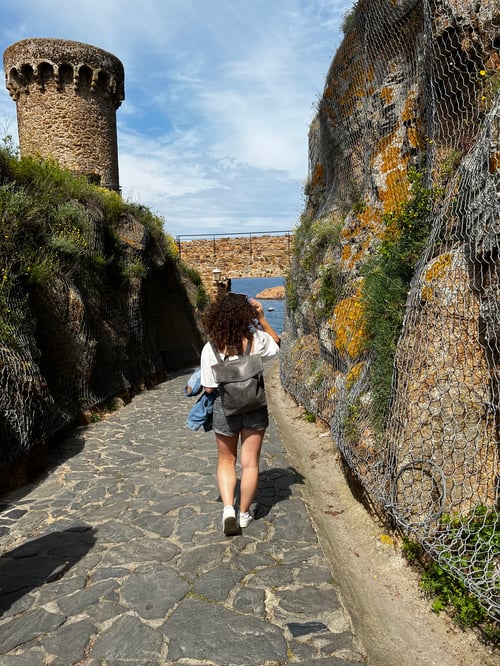
That being said, some of the best discoveries won’t be planned. Walking around without a destination is how I found some of my favorite boutiques and restaurants. Not everything worth seeing shows up online, and wandering helps you get comfortable with the city faster. Over time, streets start to feel familiar, and the city begins to feel like home.
3. USE SOCIAL MEDIA TO FIND COMMUNITIES. Social media is incredibly helpful when it comes to meeting people abroad. Platforms like Instagram, Facebook, and TikTok are full of student groups, language exchanges, fitness classes, and local events.
Search for things like “students in [city]” or “international students [city].” Following local creators can also help you find events and places you wouldn’t discover otherwise. Joining groups made the city feel smaller and helped me feel less alone, especially in the beginning. You don’t need to make friends instantly, but they’ll pop up when you least expect them to.
4. BOOK EXCURSIONS AND ATTRACTIONS EARLY. Some experiences require planning. Popular attractions and excursions often sell out weeks in advance, especially during peak travel seasons. When I studied abroad in Barcelona, major attractions like the Sagrada Familia, museums, and guided tours usually needed to be booked ahead of time and were often cheaper when reserved in advance.
Book what you are most excited to do first. This gives you something to look forward to and gives a structure for your trip. At the same time, leave room in your schedule for spontaneous plans. You never know what will pop up, but it makes the experience a whole lot more enjoyable.
5. RESEARCH HEALTHCARE AND PHONE RECEPTION. This is something I didn’t think much about before leaving, but it ended up being very important. Before you go, research trusted hospitals, clinics, and pharmacies near where you’ll be living. Understand how your insurance works abroad and save emergency numbers on your phone.
Equally important is making sure you’ll have reliable phone reception. Whether it’s a local SIM card, international plan, or eSIM, having service is essential for navigation, emergencies, and staying connected. Knowing you can always access maps or contact someone provides peace of mind.
FINAL THOUGHTS
Studying abroad is an exciting, overwhelming, and rewarding experience all at once. You don’t need to plan everything perfectly, but a little preparation goes a long way. Packing intentionally, exploring openly, and planning ahead will make your experience less stressful and all the more enjoyable.
If you’re preparing to study abroad, my best advice would be to trust yourself and be open to the unexpected side quests. Some of my favorite memories abroad were from spontaneous trips and unplanned moments. It’s important to have a plan, but you never know where life will take you, and that’s the beauty of studying abroad.
Thanks, Elissa!
 Find a Program
 Ask an advisor
 Ultimate study abroad checklist
 Study abroad gift guide
.jpg?width=900&name=lucrezia-carnelos-BG8TvW6NYYw-unsplash%20(1).jpg)