Words and photos by Olivia Declerq, ASA's Fall 2026 Journalism Grant recipient. Olivia is taking over our blog this semester. Check in weekly to follow the ups and downs of her study abroad experience as she navigates life in Aix-en-Provence, France, and beyond.
One of the most life-changing aspects of my education in Aix-en-Provence has been the centering of hands-on education throughout all of my courses. This week, my economics course has taken center stage in my thoughts following our field experience trip to Marrakech, Morocco. That’s right, our course had a mandatory and expensive paid trip to Morocco to study economic growth and development.
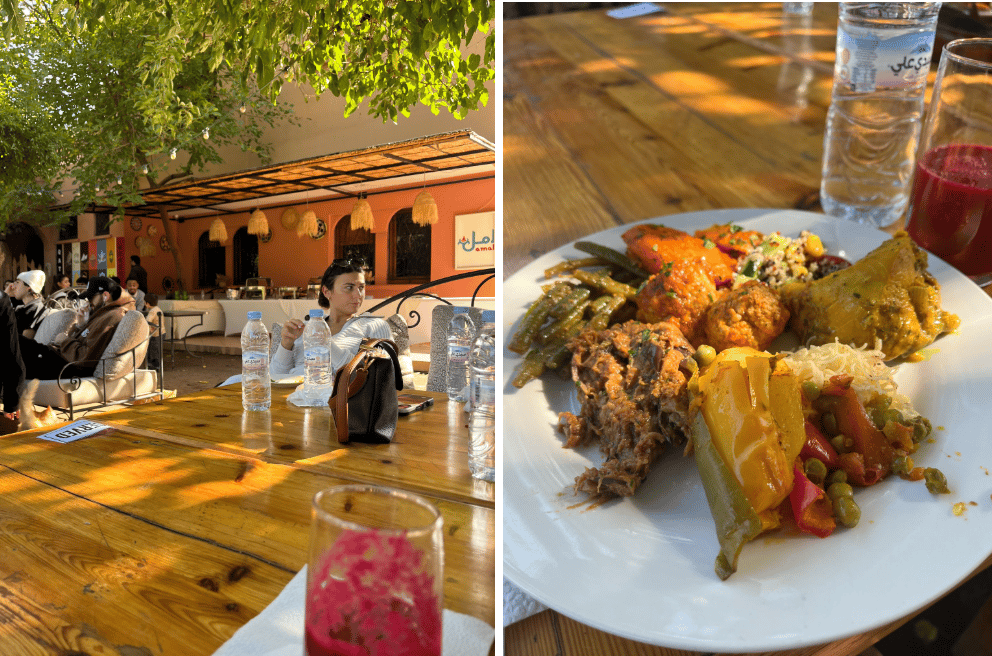
This trip opened my eyes to economic inequality and the life of economics in developing countries more than the statistics and theory of a textbook ever could. Our trip began with a trip to the Amal center in downtown Marrakech, where the most passionate, heartwarming woman told us her business model. Her goal isn’t to grow and make a million dollars; instead hernon-governmental organization seeks to give single mothers and underprivileged women the necessary skills for employment and self-sufficiency. Her story proves that business isn’t always about profit, but it also displays the necessity of organizations that advocate for women’s rights in North Africa.
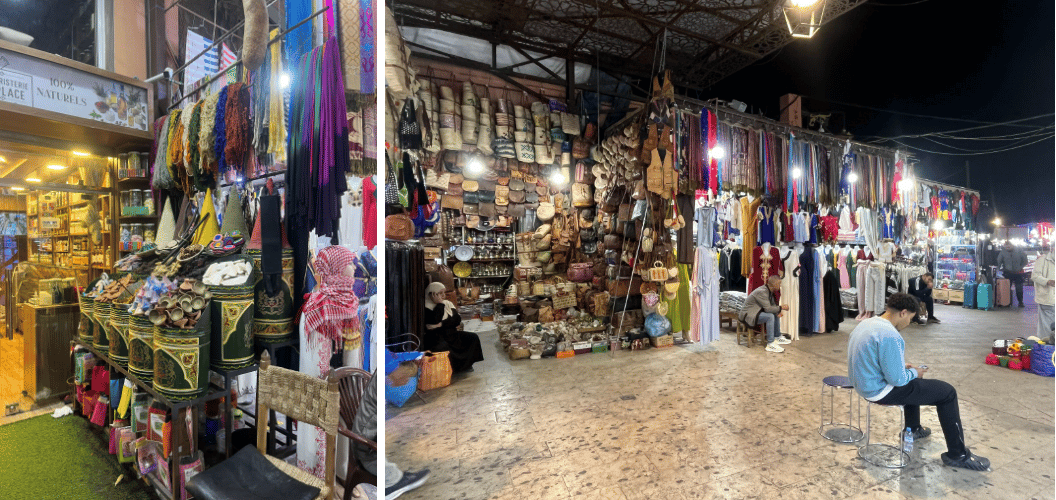
That evening, we visited the Medina, the historic city center of Marrakech, where the informal economy takes center stage. As one of the largest economic issues in the development of Morocco's economy, the informal economy of squares like Jemaa el-Fnaa displays how institutions like central banks and taxes can be difficult to enforce in places where informal practices are necessary to the entrepreneurs who call them home.
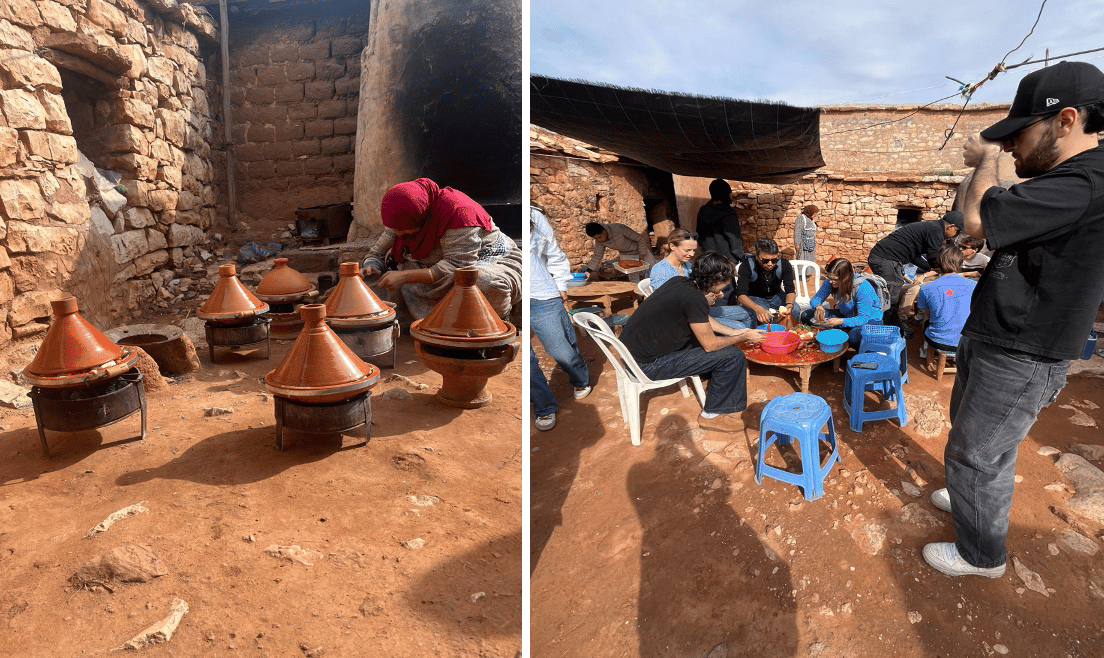
The next day, we hopped on the bus and journeyed out to a rural mountain village about an hour outside of the city limits. Sidi Bouali is a poor village currently struggling to retain children in the school system, and our visit with the NGO that just built the village’s first preschool was eye-opening. The teacher explained the importance of preschool education in a country where the local dialect and the language of education differ dramatically.
Our visit to the village also revealed much about the privilege Americans have when it comes to economic development and rural poverty. We made the local dish, Tajine, with the women of the village and then played soccer with the children. Their welcoming excitement was touching to the heart because it takes the statistics we read in textbooks about poverty and gives real faces and love to the people who are too often reduced to numbers.
The next day, we shifted gears entirely to the other side of Marrakech’s economy by focusing on the international and wealthy business sectors. We first visited the Marrakech Fine Foods (MFF) factory that produces artisanal luxury food products, and it was interesting to witness the embodiment of human and physical capital as well as the progression of industrialization in factory production.
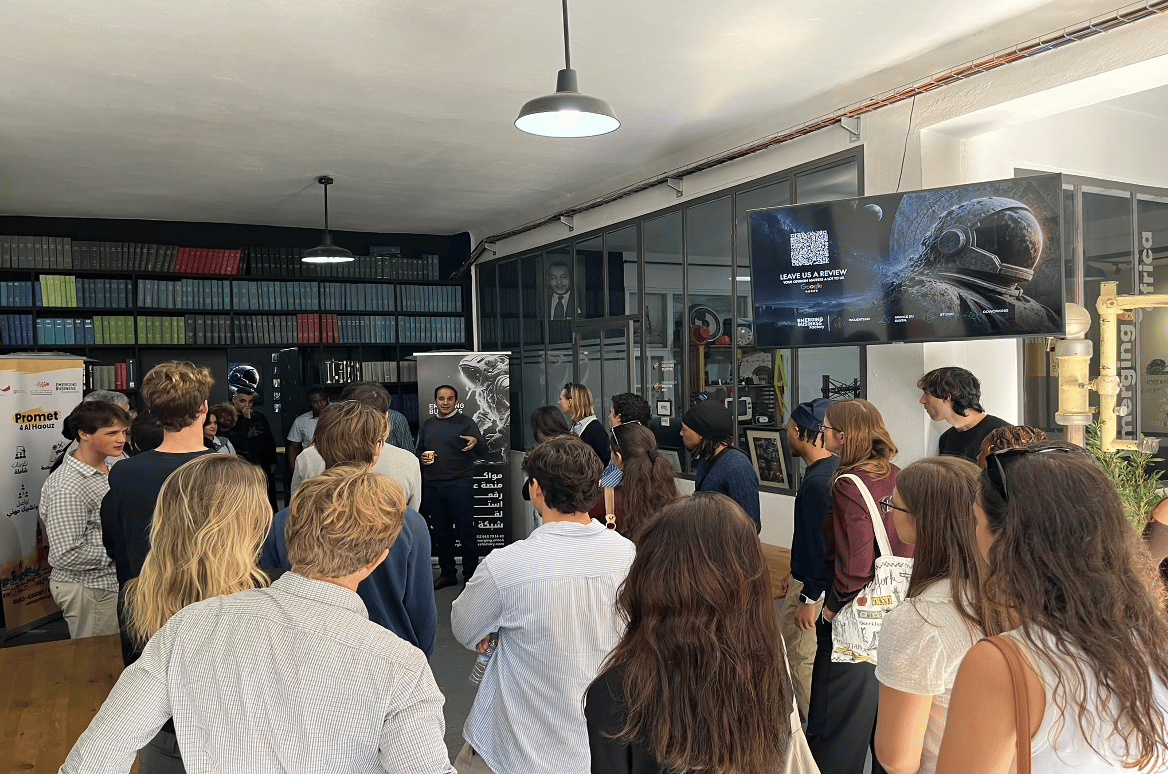
Afterwards, we headed to the Emerging Business Factory where the founder explained the concept of a start-up incubator. It is in this tech startup, corporate environment where globalization and economic ambition took center stage. It was such a stark difference compared to the poverty we witnessed in the village just the day before, giving a direct comparison between the varying ways of life in Morocco.
Before heading back to Aix-en-Provence, we stopped for lunch at Morocco’s business school where we ate couscous with the university students of Marrakech. It was fascinating to hear their stories and their ambitions, and it became clear that even with cultural and linguistic differences, we are all young students who want to make a difference for the world and our families.
Stepping back onto the plane to France, I realized that no lecture hall in Aix-en-Provence or the United States could have replicated the lessons of those few days. Textbooks can define "economic development," "informal markets," and "human capital," but they cannot capture the resilience of the women at the Amal Center, the warmth of the children in Sidi Bouali, or the shared drive of the business students we met over couscous. This trip reminded me that economics isn't just about numbers on a page; it’s about people, and the global responsibility we share to build a more equitable world.
Thanks, Olivia!

 Find a Program
 Ask an advisor
 Ultimate study abroad checklist
 Study abroad gift guide