
Words and photos by Olivia Declerq, ASA's Fall 2026 Journalism Grant recipient. Olivia is taking over our blog this semester. Check in weekly to follow the ups and downs of her study abroad experience as she navigates life in Aix-en-Provence, France, and beyond.
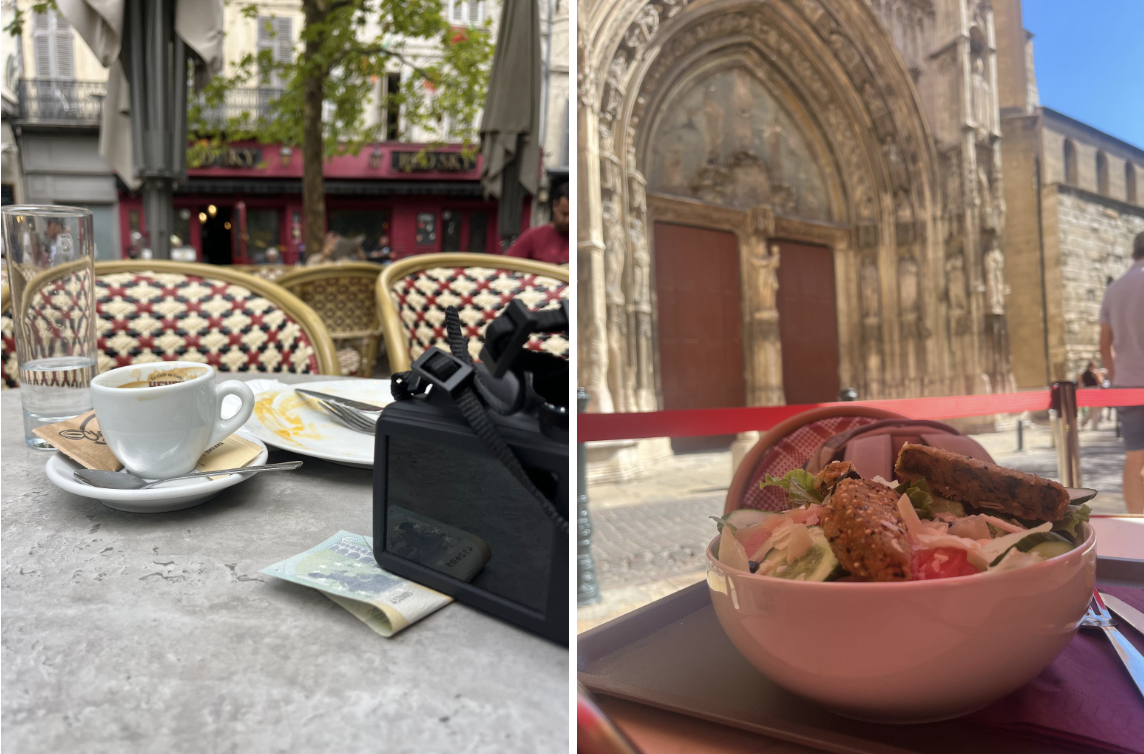
After a month in France, the culture shocks and wonder of my new home have begun to shake off, but to replace them are all of the details beneath the tip of the iceberg that make up daily life in France. From vocabulary and workplace norms to social prejudice and protests, feeling like a local means understanding the good, the bad, and the in-between of the culture you’re living in.
Before I got to France, I had already taken several semesters of French, but that was nothing compared to the fast-paced intensity of naturally spoken French. My first few weeks were admittedly a bit overwhelming while I adjusted to the spoken vocabulary, but it’s empowering to know that I’ve begun to pick up more phrases and norms.
Much like English, French has a ton of contractions that aren’t exactly taught in the classroom. Just as we use “I’m” in place of “I am,” French people use “j'suis” in place of “je suis.” Amongst others, I found this to be the most difficult adaptation since the words I’d been learning have completely different auditory triggers when used in regular conversation.
The same stems from texting and workplace norms. In France, getting to know everyone on a personal level and recognizing them as people before anything else is extremely important. While it’s normal to send a very short, direct text message with a request or question in the United States, it’s considered rather rude to begin a conversation in France, even over text, without a proper greeting.
Similarly, the first day at my internship was extremely different from my workplace experiences in the United States. Usually, the first day is when all of the formal training and acclimation takes place. Instead, we got coffee and a croissant, chatted about my career aspirations, and spent hours discussing music, culture, and podcasts.
The workplace is also different in its directions and expectations. In the United States, most of the communication is very direct. There are usually detailed instructions and clear expectations for job assignments. In France, it’s a bit different. The norm is to be given a project and then let loose to get it done. This means it’s a hands-on project to complete without each step outlined. This means more freedom, but also more responsibility to ask questions and complete work effectively.
The other biggest facet of daily life to get used to is that French people love to argue. In the United States, arguments are usually triggers for confrontation, but in France it is simply part of how they approach discourse. If you make a claim, someone is going to question you and offer a counterargument… even if they agree with you. As someone who comes from a competitive debate background, it’s intellectually stimulating and exciting, but I have friends who don’t have the same knack for argument and find it very difficult to navigate.
It’s important to remember that French people safeguard their liberties like there’s no tomorrow, and it means that they’re politically aware and ready to argue. But more than that, it means they are always ready to protest. In the one month I’ve been here, transportation workers have gone on strike twice, my boss was on strike from university along with the rest of the professors, and high school students have protested in the streets for over a week.

Adjusting to life abroad isn't about erasing the friction between your old habits and your new surroundings; it’s about learning to lean into it. Whether I’m untangling a confrontational conversation over morning coffee, navigating an open-ended assignment, or holding my ground in a dinner table debate, I’ve realized that feeling at home here doesn't mean having it all figured out. It just means being willing to step into the fray, ask the next question, and speak up.
Thanks, Olivia!

 Find a Program
 Ask an advisor
 Ultimate study abroad checklist
 Study abroad gift guide