Words and photos by Olivia Declerq, ASA's Fall 2026 Journalism Grant recipient. Olivia is taking over our blog this semester. Check in weekly to follow the ups and downs of her study abroad experience as she navigates life in Aix-en-Provence, France, and beyond.
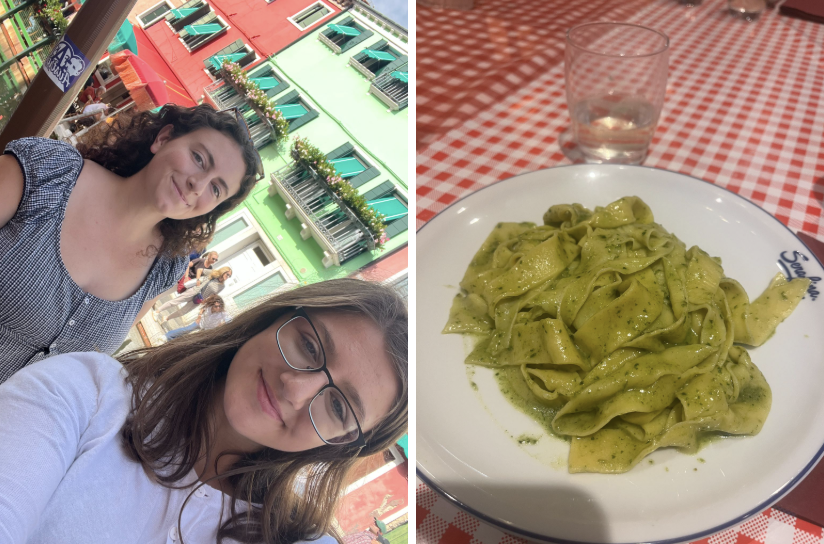
One of the best ways to immerse yourself in the foreign culture of your study abroad country is to live with a host family. With ASA, many students may have the choice to live with a family in their host country, becoming part of the life, mealtimes, and chatter of domestic life.
For me, living in a homestay has enhanced my experience in France. The French domestic family is integral to one’s life, and living with my host family has been beyond helpful with language acquisition and cultural understanding. It’s not in the classroom where I learned they don’t have a tooth fairy in France… Instead, they have “la petite souris,” or the “little mouse” who brings money to young children when they lose a tooth.
My family is myself, my host mom, and her twelve-year-old daughter, but family and friends visit often during the weekends, opening opportunities to speak in French. We’ve debated about the American midterms, the upcoming French presidential election, communication differences, and even the types of memes and brainrot everyone knows. Not to mention, my host mom is a great cook, so we often eat healthy, delicious meals.
But just as all things are not perfect, there are definitely adjustments to living with a French family that take time to adapt to. French culture has very different mealtimes, meaning dinner time is usually not until 8 or 9 in the evening. As an American used to eating dinner at 7, I’ve had to adjust to the French gaps between meals since I always eat with my host family.
Additionally, French families are much more environmentally conscious than Americans. To integrate with a French family means understanding and learning how to live with a better eco-consciousness. This includes air-drying laundry, opening windows to regulate temperatures, conserving water when bathing, and never wasting any food. As a lover of leftovers, it was interesting to see that French families do not meal prep like Americans do. Instead, they cook only the amount for a given day’s meal.
Beyond the cultural differences, integrating into a new family, no matter which country you’re living in, can be an adjustment. For me, it meant getting to know my host family, learning how communication works within their nuclear unit, and finding my place in the home. In the beginning, I was nervous and really only appeared during mealtimes, but I think it’s important to branch out and head downstairs before dinner to help set the table, offer to clear dishes, and linger for post-dinner conversations.
Living with a host family gives you the interactions each day that make a place feel more like home and not just a temporary accommodation. This not only integrates you into the culture, but it helps curb the homesickness that hits hard when you’re alone in a foreign country.
I think anyone traveling abroad needs to understand that there isn’t really a way to avoid homesickness. For me, it’s the radio silence until late afternoons and differences in energy levels as a result of the time zone differences. The homesickness hits hardest in the evenings when you’re alone with nothing to do, and as much as I love work-life balance, the lighter homework loads in France mean there’s more downtime to miss the life I’ve left behind.
Some of the tricks I’ve used to help mitigate homesickness all stem from one thing: keep yourself busy exploring the place you’re privileged to live in for four months!
A lot of students save money and plan trips on the weekends when they’re abroad, and I couldn’t recommend this more. Not only does it give you the opportunity to explore the world and see so many new places, but it means you’re not at your apartment or your homestay feeling sad that you’re missing out on things back home.
One of the best parts of living in France is how connected everything is for quick weekend getaways. Whether taking the TGV up to Paris to visit world-class museums, hopping on a train down the coast to soak in the Mediterranean views of Nice, or spending a weekend exploring the incredible food scene in Lyon, traveling lets you make the most of your time abroad. But as wonderful as these trips are, the best part is often coming back. Returning to my homestay after a long travel weekend, sharing stories over dinner, and getting local travel tips from my host mom for my next destination makes me realize that I’m not just touring France; I’m coming home to it.
In France, there’s also a culture of meeting with friends in the evenings before dinner. With dinnertime later in the evening, there’s plenty of time to stop for a drink or a coffee at a local cafe before heading back to the apartment for the night. I’ve found this to be a wonderful way to get closer to my new friends in France as well as keep me excited instead of homesick.
At the end of the day, studying abroad isn’t just about the places you visit on the weekends—it’s about the everyday moments that bridge the gap between being a visitor and becoming part of a community. Taking the leap to live with a host family opened my eyes, expanded my French vocabulary, and gave me a sense of belonging thousands of miles away from home. If you're on the fence about choosing a homestay with Academic Studies Abroad, my advice is simple: say yes, embrace the adjustments, and let yourself settle into a place that might just feel like your second home.
Thanks, Olivia!

 Find a Program
 Ask an advisor
 Ultimate study abroad checklist
 Study abroad gift guide