Words and photos by Olivia Declerq, ASA's Fall 2026 Journalism Grant recipient. Olivia is taking over our blog this semester. Check in weekly to follow the ups and downs of her study abroad experience as she navigates life in Aix-en-Provence, France, and beyond.
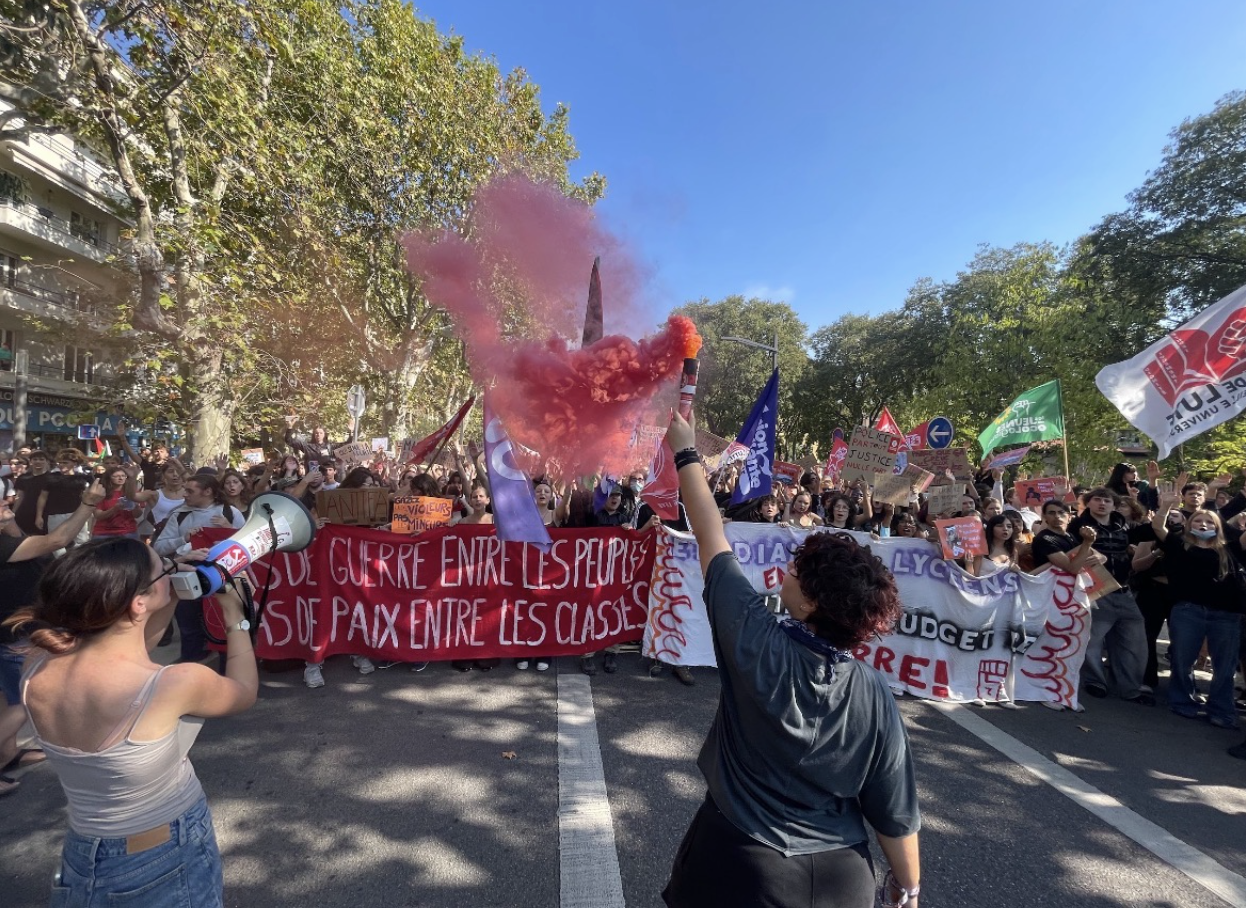
What’s going on in France? And why is the rest of Europe seeming to follow in their footsteps?
In late September of this semester, students in France began to protest. During my study abroad, I have been interning with a radio station that’s collecting interviews with these French students to understand what is motivating the protests that have continued for over a month now.
Many students mention the quality of their school’s buildings. Some buildings are over 50 years old, and while this isn’t bizarre for France, the publicly funded buildings receive very little maintenance and modern amenities, such as functional heating during the winter or air conditioning during the summer. Additionally, students aren’t receiving education that gets them past the Bac, or the national exam to enter university. Sometimes teachers are missing for weeks without a substitute.
Additionally, students feel as though they can only attend school due to the hours of operation. One student told me he begins his school day at 8am and doesn’t finish until 5:45pm each day. Because France has so many national holidays and school breaks, the long hours during the school week are supposed to make up for this, but the result isn’t satisfying. France has some of the lowest literacy rates in Europe despite having the highest number of schooling hours per year.
The result is angry students who want change. This is where the protests began, but this isn’t what’s featured in American news. If you look at CNN or Fox News, you see France burning. You see looting in Paris and burning buildings in Limoges. And yes, those things did happen, but it was nowhere near the majority of the students and protestors who are advocating for change.
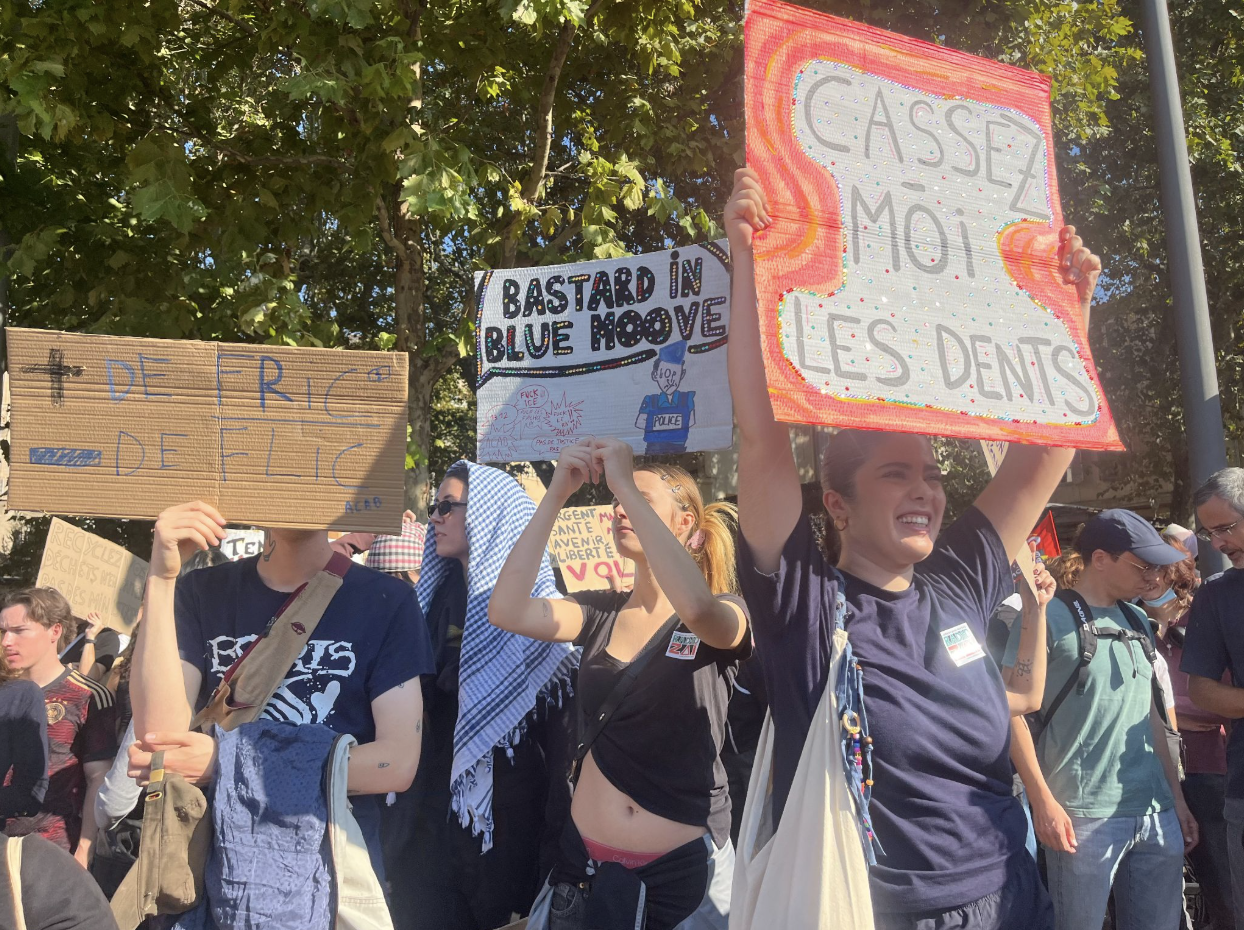
On October 17, there were over 900,000 protestors across the country who were peaceful. The students were joined by workers and teachers who likewise are upset by education, the cost of living, working conditions, and the rise of polarization in French politics.
In France, Macron has been president for 10 years, but his term is up in April 2027. In turn, the protests reflect a country that wants change from the new president, showing candidates what the population cares about. And yet, the violence and looting overshadow the movement and voices of the peaceful protestors, fueling the animosity between the far-right and the far-left political parties.
When talking with my host family and my professors, I have seen first-hand how these protests and the violence are entering the family and dinner table discourse. One of the things I have learned from navigating this moment in French history is that the protestors believe their rights and their voices ought to be heard in ways we find less effective or less popular in the United States. Likewise, I’ve learned a lot about the realities in European countries.
After France began its protests, many other countries began launching their own movements. Italy, Spain, Portugal, Belgium, and Algeria are only some of the other countries that are voicing their concerns about the cost of living, wars, and living conditions. As an American, it is interesting to navigate the conversations from a foreign perspective, but Europeans are usually much more open to expressing opinions and political dissatisfaction.
So the next time you see an American news outlet showing videos of France burning, just remember that there are thousands of peaceful protestors who are advocating for change and inspiring other countries to do the same.
If you’re currently studying abroad in Europe, I encourage you to speak with your host family and professors about the movements because it is a wonderful way to learn firsthand how they perceive sociopolitical change and how their governmental system works.
Thanks, Olivia!

 Find a Program
 Ask an advisor
 Ultimate study abroad checklist
 Study abroad gift guide